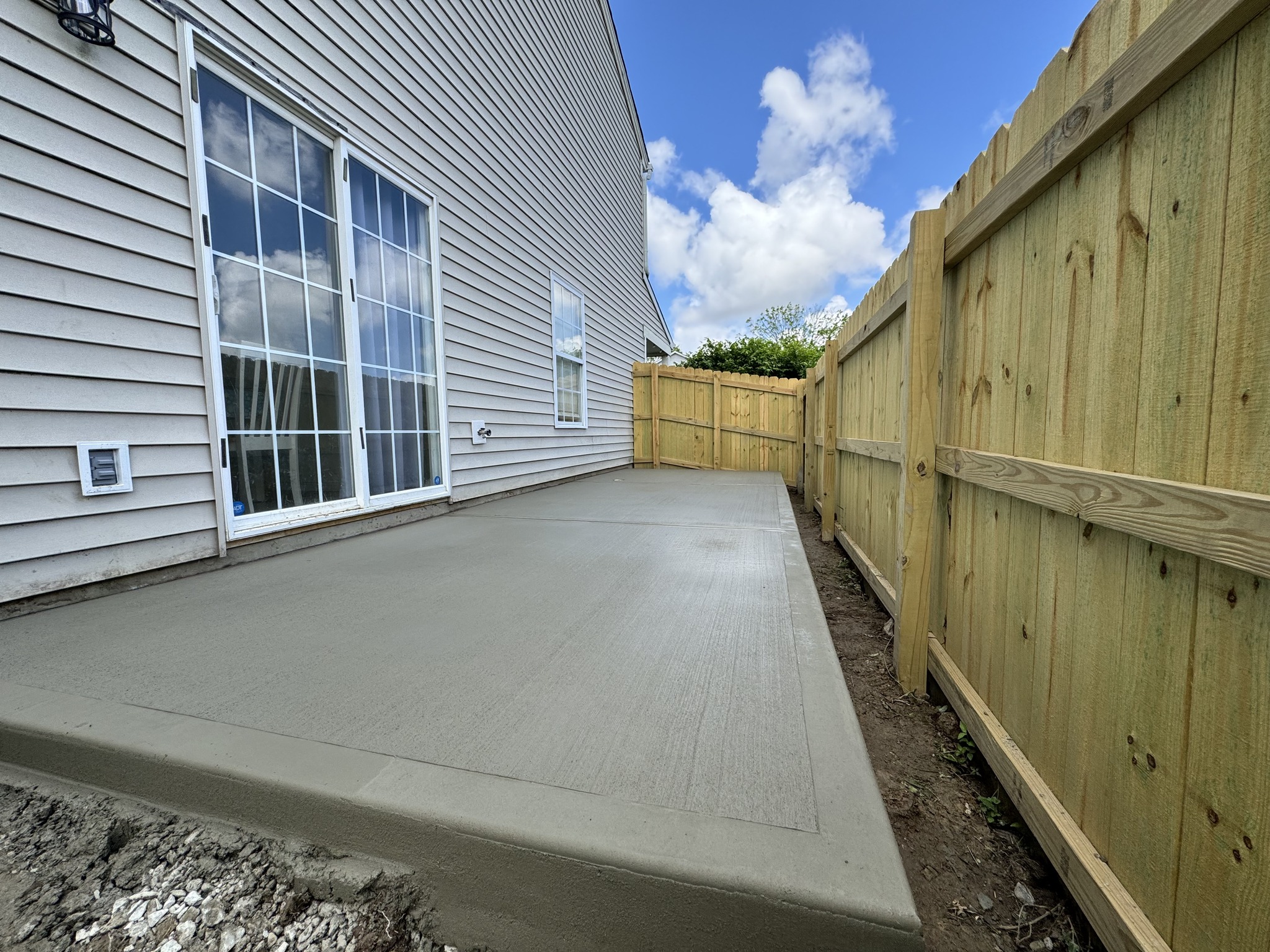
The Science of Longevity: Maximizing the Durability of Concrete Structures May 02, 2026
Concrete, known for its strength and versatility, is composed of cement, water, and aggregates like sand or gravel. These ingredients form a chemically reactive mixture capable of hardening into a rock-solid state. But to get the most out of concrete, understanding its properties and the environmental factors that affect it is key.
The first step is selecting high-quality materials. The cement grade significantly impacts the final product's strength, and so does the quality of aggregates, which should be clean, hard, and well-graded to provide an optimal internal framework. Remember, the stronger the foundation, the longer the structure will last.
Mix ratios also play a critical role. The water-cement ratio determines the concrete's durability and strength. Too much water dilutes the mix, leading to potential cracking and reduced strength. At H&R Concrete, we ensure that every batch meets the precise ratios required to produce a durable mix without sacrificing flexibility or usability.
Next comes the curing process. Adequate curing is fundamental to achieving maximum strength. It involves keeping the concrete moist, especially in the early days post-pouring, to facilitate complete hydration of the cement particles. Effective curing prevents premature drying, which can result in surface cracks and compromised structural integrity.
Besides material considerations, one of the common threats to concrete longevity is environmental exposure. Water, especially when mixed with chemicals like de-icing salts, can quickly undermine concrete. Ensuring proper drainage and sealing can significantly enhance longevity by preventing water infiltration and subsequent freeze-thaw cycles. Sealing the concrete surface acts as a strong barrier against these elements, prolonging the life of the structure.
Furthermore, reinforcement with steel bars or fibers can add tensile strength to concrete, helping it resist the stressors that might cause it to crack. However, it is crucial to protect these reinforcements from corrosion, which can weaken the structure from within. Anti-corrosion treatments and coatings can safeguard against this.
Regular maintenance and inspections are non-negotiable in extending the life of concrete structures. Look for signs of wear such as cracks, spalling, or discoloration. Addressing minor problems before they evolve into significant issues can save both time and resources in the long run.
At H&R Concrete, we prioritize not only the installation of durable concrete but also educate our clients about maintaining and protecting their structures. Through workshops and personalized consultations, we ensure our clients have the knowledge to maximize the lifespan of their investments.
In conclusion, while concrete is inherently durable, the science of maximizing its longevity incorporates meticulous attention to material selection, mixing ratios, curing processes, and ongoing maintenance. Embracing these practices guarantees that concrete structures remain robust and functional for decades, ensuring peace of mind and value for our clients at H&R Concrete. If you are considering a concrete project or need further advice on maintaining existing structures, we are always here to lend our expertise.
/filters:no_upscale()/filters:format(webp)/media/203210ff-094f-42a2-9093-cbf56f3c2f93.webp)
/filters:no_upscale()/filters:format(webp)/media/c072d2dd-6e4a-4753-97df-7a6e43b11ff1.jpg)