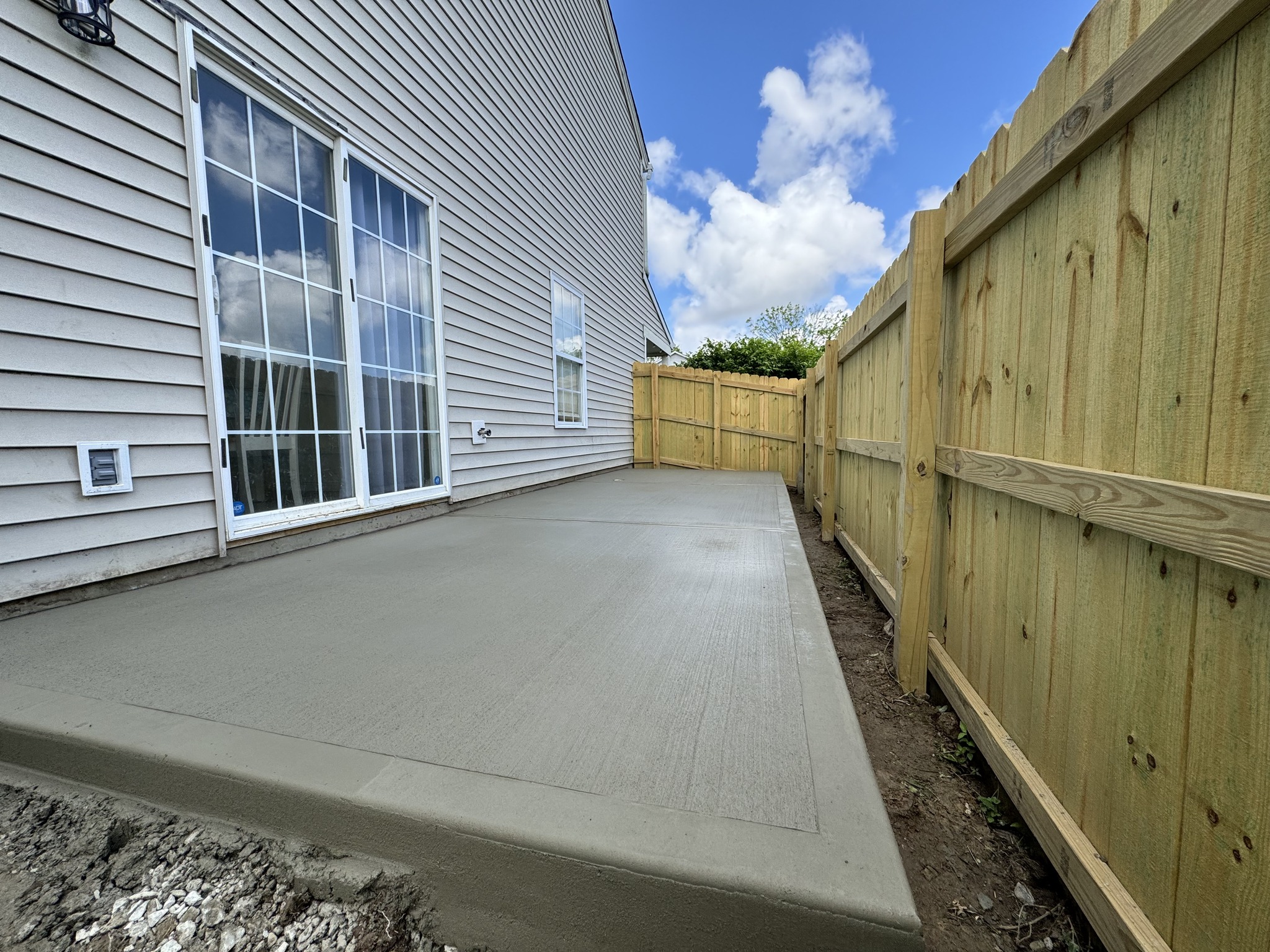
The Role of Concrete in Artistic Outdoor Installations: Merging Design with Functionality May 26, 2026
The versatility of concrete is one of its most compelling features. This adaptability allows it to be molded into a multitude of shapes, sizes, and textures, making it an ideal choice for artists aiming to push the boundaries of conventional design. Whether it's a sleek, minimalist sculpture or an intricate, textured installation, concrete provides a canvas limited only by imagination. This flexibility makes it possible to create bespoke pieces that reflect unique artistic visions and respond to specific environmental contexts.
Functionality is another key aspect where concrete shines. Its inherent strength and durability make it a perfect medium for outdoor installations exposed to varying weather conditions. Unlike other materials that may succumb to the elements, concrete maintains its integrity, ensuring that installations stand the test of time. This longevity not only preserves the aesthetic value of the artwork but also delivers lasting enjoyment to audiences, enhancing public spaces and reflecting cultural or historical contexts.
Incorporating concrete into outdoor installations also offers an opportunity to explore sustainability. By using recycled materials and innovative manufacturing techniques, concrete can be transformed into environmentally friendly art. This aspect is particularly significant in today’s eco-conscious world, as more projects aim to minimize their carbon footprint. H&R Concrete is committed to sustainable practices, offering solutions that align environmental responsibility with artistic ambition.
The process of creating artistic outdoor installations with concrete involves a collaboration between artists, designers, and construction specialists. This synergy results in a blend of aesthetic creativity and technical expertise, ensuring the successful realization of complex designs. At H&R Concrete, we support this collaborative effort by providing the materials and technical know-how needed to turn visionary designs into reality. Our experience in the field assures that every installation not only meets artistic expectations but also adheres to the highest quality and safety standards.
Concrete installations also offer a profound way to engage with communities. These structures can serve as communal hubs, landmarks, and expressions of a community's identity. Artists can use concrete to craft interactive installations that invite participation and engagement, turning passive onlookers into active participants. This ability to evoke emotional responses and foster connections underscores concrete's role in enriching cultural landscapes.
In conclusion, concrete's role in artistic outdoor installations extends beyond mere utility. It is a medium that embodies both strength and beauty, perfectly suited for the modern demands of art and architecture. At H&R Concrete, we celebrate this duality, supporting projects that enrich our communal environments through innovative design and functionality. By choosing concrete as a primary material for artistic endeavors, designers and artists are choosing a timeless medium that harmoniously blends form with function. Whether you’re envisioning a public art piece or reimagining your personal space, concrete offers endless possibilities backed by durability and aesthetic appeal.
/filters:no_upscale()/filters:format(webp)/media/203210ff-094f-42a2-9093-cbf56f3c2f93.webp)
/filters:no_upscale()/filters:format(webp)/media/c072d2dd-6e4a-4753-97df-7a6e43b11ff1.jpg)