The Role of Concrete in Designing Resilient Sustainable Landscapes Mar 23, 2026
To start with, the resilience of concrete is one of its most significant attributes. As a material, it withstands a variety of environmental conditions, including extreme weather, making it a long-lasting choice for landscape design. This durability translates into sustainability, as it minimizes the need for frequent repairs or replacements. When thinking about sustainable landscapes, longevity is key. Concrete's resistance to harsh conditions means fewer resources are required over time, conserving both materials and energy.
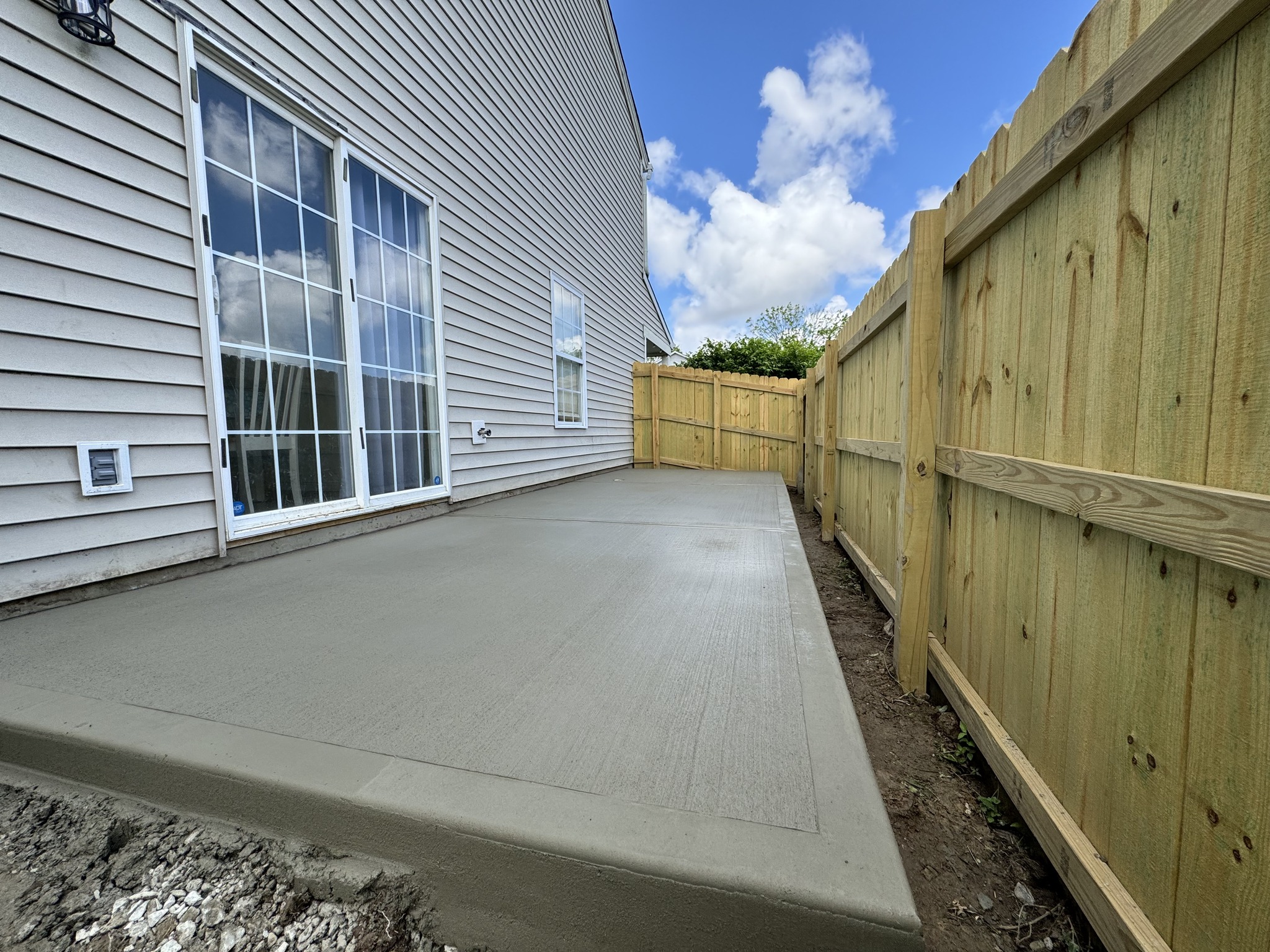
Moreover, concrete offers versatility in design, which is crucial for creating functional and aesthetically pleasing landscapes. It can be molded into diverse shapes and textures, allowing it to blend seamlessly with natural elements such as greenery and water features. This adaptability makes it an excellent choice for pathways, retaining walls, and outdoor living spaces. It can also be colored and finished in ways that mimic natural stone, offering an array of options that enhance any landscape's beauty without compromising on environmental integrity.
Another pivotal aspect of using concrete in sustainable landscaping is its role in permeable paving solutions. Traditional paving solutions can lead to water runoff and soil erosion, disrupting local ecosystems. However, permeable concrete allows rainwater to seep through, reducing runoff and promoting groundwater recharge. This not only aids in water management but also helps in preserving the landscape's natural balance. Incorporating permeable concrete designs in driveways, patios, or walkways is an ecologically responsible choice that aligns with sustainable landscaping goals.
Furthermore, concrete can significantly contribute to sustainable practices through its thermal mass properties. In landscaping, concrete can store heat from the sun during the day and release it slowly at night. This natural temperature regulation can be used effectively in garden designs to protect plants from nocturnal cooling. By managing temperature fluctuations, concrete contributes to a stable environment, which is beneficial for both plant life and local wildlife.
Sustainability in landscape design extends beyond materials to include resource efficiency. Concrete manufacturing processes are becoming increasingly sustainable. Techniques such as using recycled aggregates and alternative fuels in production are reducing the environmental impact. Opting for locally sourced concrete also reduces transportation emissions, further enhancing its sustainability credentials.
In conclusion, concrete's role in designing resilient sustainable landscapes is multifaceted. From its unmatched durability and versatile design potential to its contribution to water management and energy efficiency, concrete stands out as a prime material for environmentally conscious landscaping. For H&R Concrete customers, embracing these sustainable practices is not only feasible but also beneficial in the long term. By incorporating concrete strategically, it's possible to create beautiful, durable landscapes that honor both form and function. Embracing concrete in this way not only meets immediate needs but also aligns with a vision for a greener, more resilient future in landscape design.
/filters:no_upscale()/filters:format(webp)/media/203210ff-094f-42a2-9093-cbf56f3c2f93.webp)
/filters:no_upscale()/filters:format(webp)/media/c072d2dd-6e4a-4753-97df-7a6e43b11ff1.jpg)