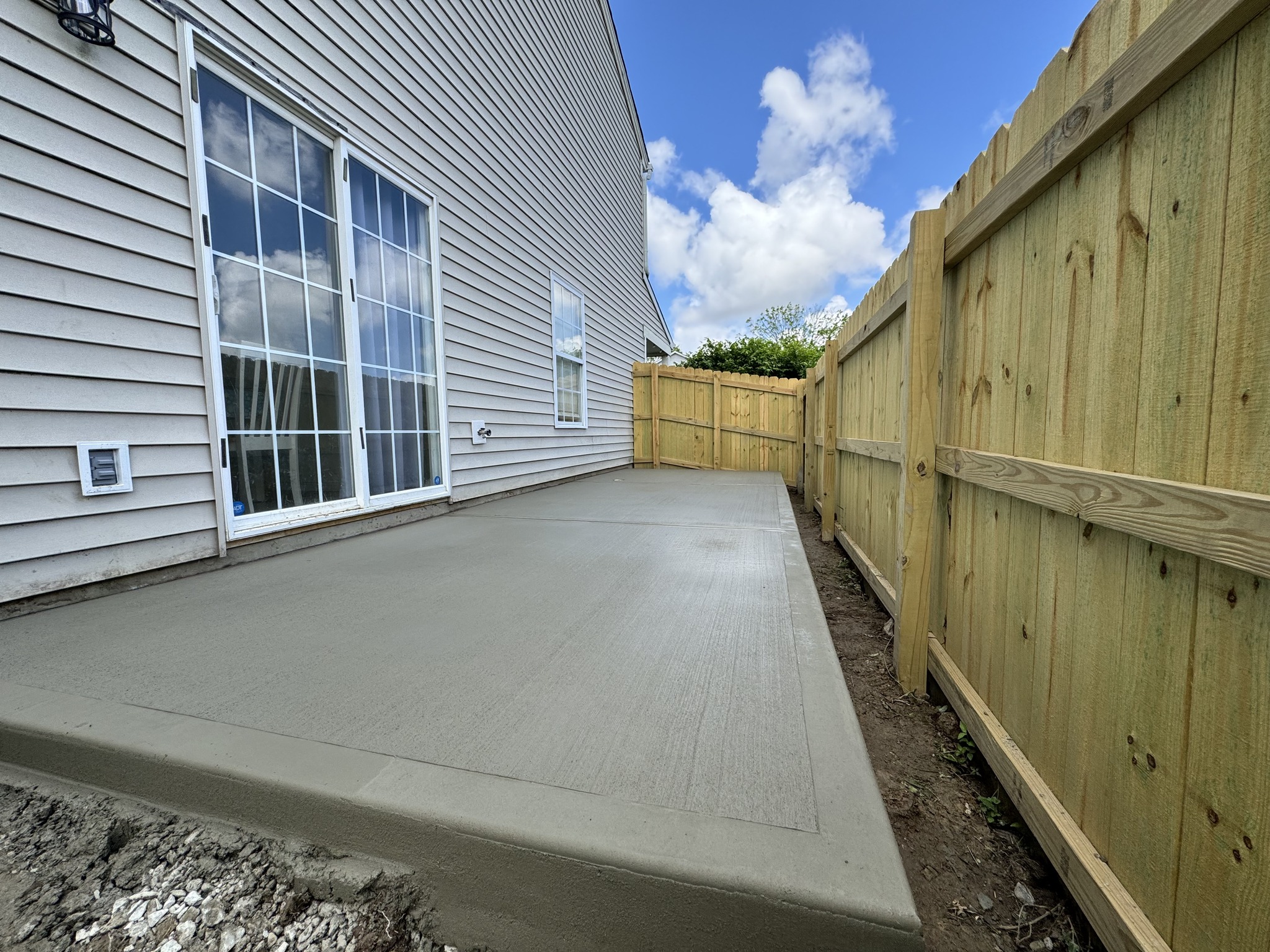
Reimagining Public Parks: The Evolution of Concrete in Recreational Spaces Mar 10, 2026
The role of concrete in public parks has evolved far beyond the traditional park bench or pathway. Today, innovative applications are seeing concrete used in everything from skateparks and amphitheaters to serpentine walkways and decorative features. This transformation offers several benefits, including enhanced durability, improved aesthetics, and greater multipurpose functionality.
One of the most significant advantages of using concrete in public parks is its durability, which is crucial for spaces that face constant exposure to the elements and high foot traffic. Concrete surfaces can withstand the daily wear and tear from visitors, resist weather conditions, and require less maintenance over time compared to other materials. This makes it an ideal choice for municipalities looking to reduce long-term maintenance costs while maintaining attractive and functional community spaces.
Additionally, modern concrete is no longer synonymous with dull gray slabs. Advances in concrete technology have introduced a variety of colors, textures, and finishes that can be used to complement the natural beauty of parks. Stamped concrete can mimic the appearance of natural stone or brick at a fraction of the cost, while colored concrete can enhance the visual appeal of spaces, making parks more inviting. Whether it’s creating vibrant plaza areas or constructing unique architectural features, concrete offers endless possibilities for design.
Furthermore, concrete structures in parks serve not only functional purposes but also contribute to community engagement and activities. For example, concrete skateparks have become popular locations for youth engagement, offering safe and durable environments for skateboarding and rollerblading. Similarly, outdoor amphitheaters constructed from concrete offer robust and weather-resistant venues for concerts, plays, and other community events.
There is also an ecological advantage to using concrete. With advances in sustainable construction practices, eco-friendly concrete options are becoming more available. These products can be designed to reduce environmental impact, incorporating recycled materials or being sourced from sustainable aggregates. Additionally, pervious concrete options allow for better water drainage and reduced runoff, helping to protect local ecosystems.
In the evolving landscape of public recreation spaces, the versatility and benefits of concrete are undeniable. By integrating creative design and sustainable practices, H&R Concrete continues to support communities in realizing the full potential of their public spaces. Through our dedication to innovation and quality, we aim to transform these spaces into vibrant, functional, and inclusive areas where people can gather and form lasting memories.
By leveraging concrete's strength and adaptability, we are helping to redefine recreational spaces into durable and attractive community landmarks. At H&R Concrete, we envision a future where parks are not just green spaces, but concrete canvases for community life. As concrete continues to evolve, so too do the possibilities for creating impactful and sustainable public parks for generations to come.
/filters:no_upscale()/filters:format(webp)/media/203210ff-094f-42a2-9093-cbf56f3c2f93.webp)
/filters:no_upscale()/filters:format(webp)/media/c072d2dd-6e4a-4753-97df-7a6e43b11ff1.jpg)