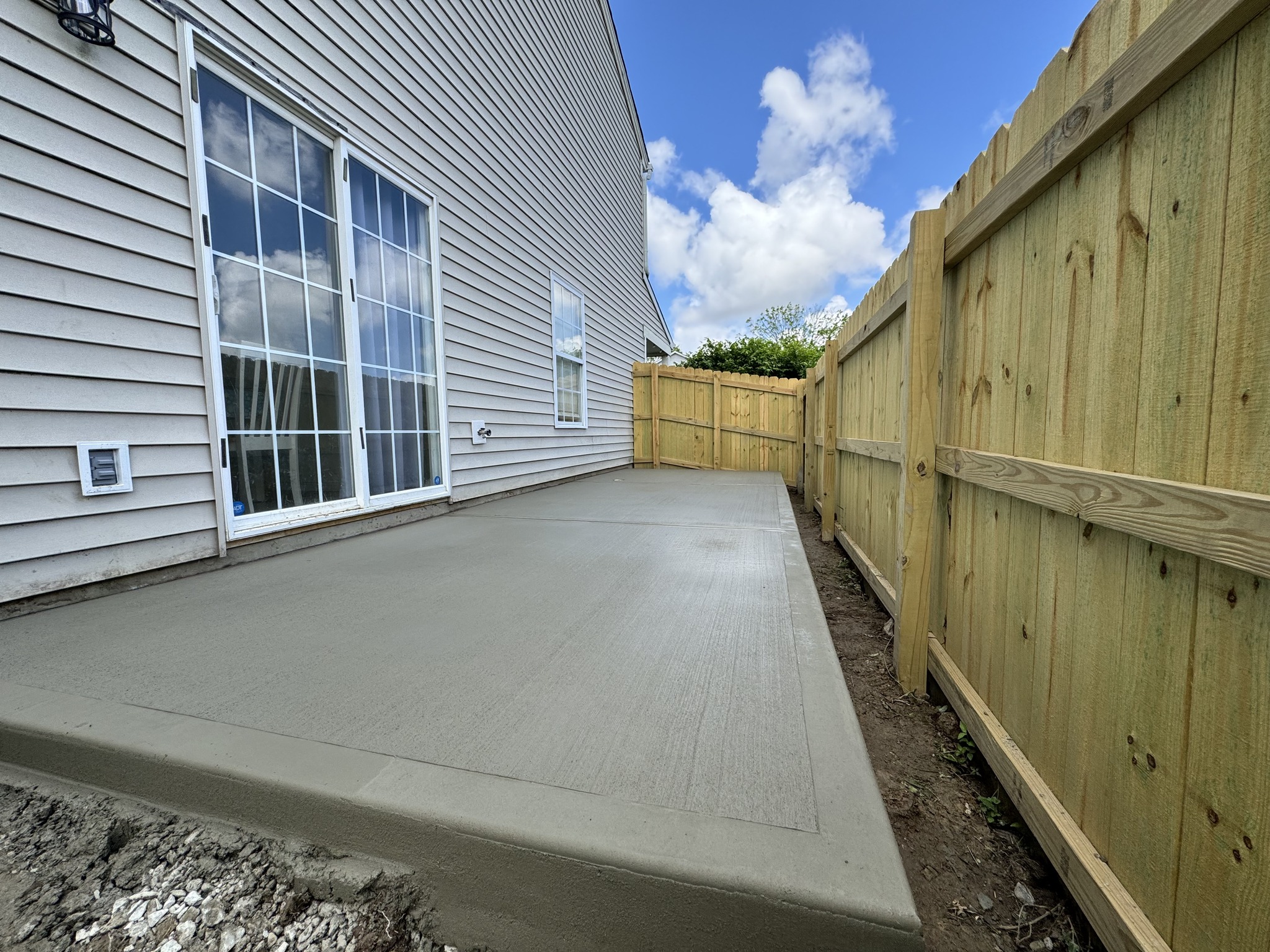
Innovative Mold-Making Techniques for Custom Concrete Designs Dec 08, 2025
The design process for custom concrete begins with the selection of the right mold-making technique. Traditional methods often involve simple wooden or metal forms, but these can be limiting in terms of design complexity and intricacy. Enter contemporary mold-making technologies such as 3D printing, CNC machining, and silicone-based molds, which open up a world of possibilities for custom concrete design.
3D printing has emerged as a game-changer in the concrete industry. Using computer-aided design (CAD) software, intricate and highly detailed molds can be created with precision. The use of 3D printing allows designers to experiment with complex shapes, textures, and patterns that would be almost impossible to achieve with manual methods. This technology not only speeds up the prototyping phase but also reduces wastage by ensuring only the necessary materials are utilized. H&R Concrete can embrace this technique to offer unique, detailed features for projects like decorative paneling or intricate paving designs.
CNC (Computer Numerical Control) machining is another revolutionary technique transforming mold-making for concrete designs. This method involves using computer-controlled tools to carve out precise designs from a block of material, often resulting in molds that are perfectly aligned with a project’s specifications. CNC machining is particularly useful for large-scale projects where consistency and accuracy are paramount. By leveraging CNC technology, H&R Concrete can efficiently create molds for complex structural components, ensuring that each piece fits seamlessly into the overall design.
Additionally, the use of silicone molds has gained popularity due to their ability to replicate fine details and textures. Silicone molds are flexible, durable, and can be easily removed without damaging the concrete. This makes them ideal for projects requiring a high level of craftsmanship, such as detailed facades, textured surfaces, or bespoke concrete furniture. With silicone molds, H&R Concrete can provide clients with high-quality, custom finishes that elevate any space.
Choosing the right mold-making technique depends on several factors including the project’s scale, budget, and design complexity. These innovative approaches not only enhance the aesthetic appeal of concrete installations but also improve efficiency and sustainability by reducing waste and minimizing errors. For H&R Concrete, adopting these techniques means being able to offer more creative and environmentally friendly options to clients.
In conclusion, the landscape of concrete design is evolving with the advent of innovative mold-making techniques. By incorporating methods such as 3D printing, CNC machining, and silicone molds, a company like H&R Concrete can push the boundaries of what’s possible in custom concrete design. Clients can enjoy the benefits of personalized design, unparalleled detail, and high-quality finishes that align precisely with their vision. As the demand for custom solutions grows, staying innovative in mold-making techniques is key to achieving excellence and client satisfaction in the concrete industry.
/filters:no_upscale()/filters:format(webp)/media/203210ff-094f-42a2-9093-cbf56f3c2f93.webp)
/filters:no_upscale()/filters:format(webp)/media/c072d2dd-6e4a-4753-97df-7a6e43b11ff1.jpg)