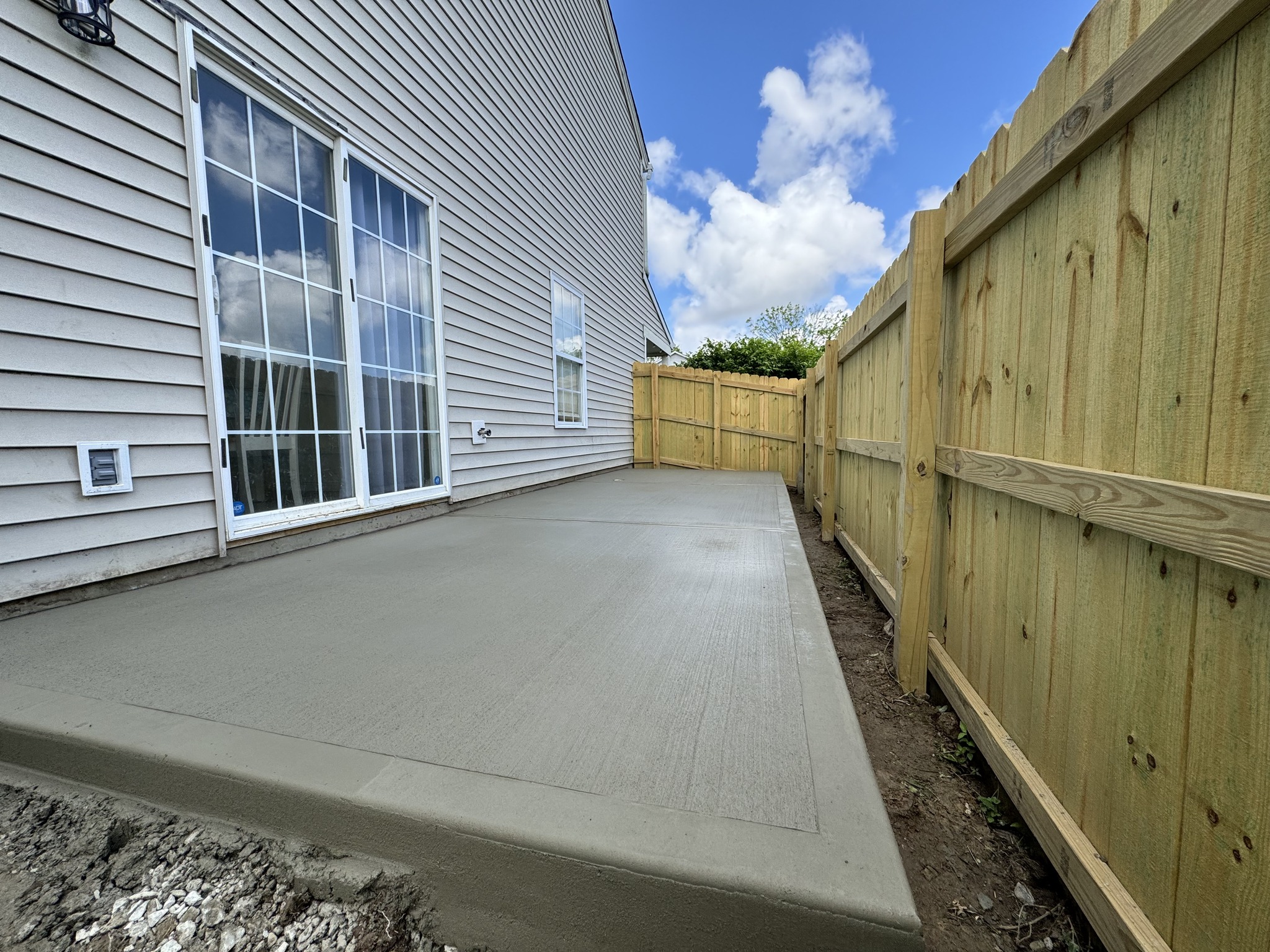
Exploring Concrete's Thermal Mass for Sustainable Cooling Solutions May 08, 2026
Concrete has a unique ability to absorb heat, store it, and release it slowly. This attribute, known as thermal mass, helps buildings maintain a stable internal temperature, reducing reliance on artificial cooling and heating systems. In climates with extreme temperature fluctuations, concrete’s thermal mass can play a crucial role in balancing indoor conditions.
The thermal mass effect of concrete is particularly beneficial during the summer months. It absorbs heat during the day and releases it as temperatures cool down at night. This natural energy management reduces the need for air conditioning, lowering energy bills and lessening the environmental impact. Correctly designed and implemented, concrete can reduce peak demand by relieving stress on power grids and providing more consistent indoor temperatures.
For homeowners undertaking new construction or renovations, considering concrete in your design can significantly enhance sustainability. Concrete floors, walls, and foundations naturally enhance a building's thermal capacity, making them indispensable tools for energy-efficient architecture. This means that the thoughtful use of concrete can simultaneously improve comfort while contributing to environmental sustainability.
It's essential to integrate passive solar design when utilizing concrete's thermal mass. Strategic placement of windows and ventilation systems can maximize heat absorption during the day and facilitate a cool release during the nighttime. This integration enhances the effectiveness of concrete's thermal properties.
Implementing concrete solutions also offers auxiliary benefits. Concrete structures are durable, requiring minimal maintenance over their lifespan. This longevity results in less waste than other, less durable building materials, amplifying your home’s overall sustainability profile. Moreover, by opting for concrete, homeowners might also experience improved indoor air quality as concrete doesn't support mold growth or harbor allergens, facts that further advocate for its inclusion in sustainable home designs.
For those still planning, lightweight concrete can be a game-changer. It offers substantial thermal mass while also being easier to work with than traditional concrete, making it ideal for projects where weight is a concern, such as multi-story buildings or renovations where additional load-bearing is an issue.
Moreover, concrete's availability and versatility make it a cost-effective alternative. When coupled with sustainable practices like recycled aggregates or low-carbon cements, it's possible to create a truly eco-friendly building solution. H&R Concrete is dedicated to aiding customers in making informed decisions about concreting services that align with sustainable aims.
When considering concrete for its thermal mass benefits, remember that professional installation and expert advice are crucial. Consulting with seasoned experts like those at H&R Concrete can help you make the most of this remarkable material, ensuring that your project is as sustainable and efficient as possible.
Concrete's thermal mass, when effectively utilized, is much more than a building material; it's a significant factor in the blueprint of next-generation sustainable constructions. As H&R Concrete continues to innovate in providing concrete services, our commitment to quality and sustainability remains steadfast—helping you build a better tomorrow through concrete solutions today.
/filters:no_upscale()/filters:format(webp)/media/203210ff-094f-42a2-9093-cbf56f3c2f93.webp)
/filters:no_upscale()/filters:format(webp)/media/c072d2dd-6e4a-4753-97df-7a6e43b11ff1.jpg)