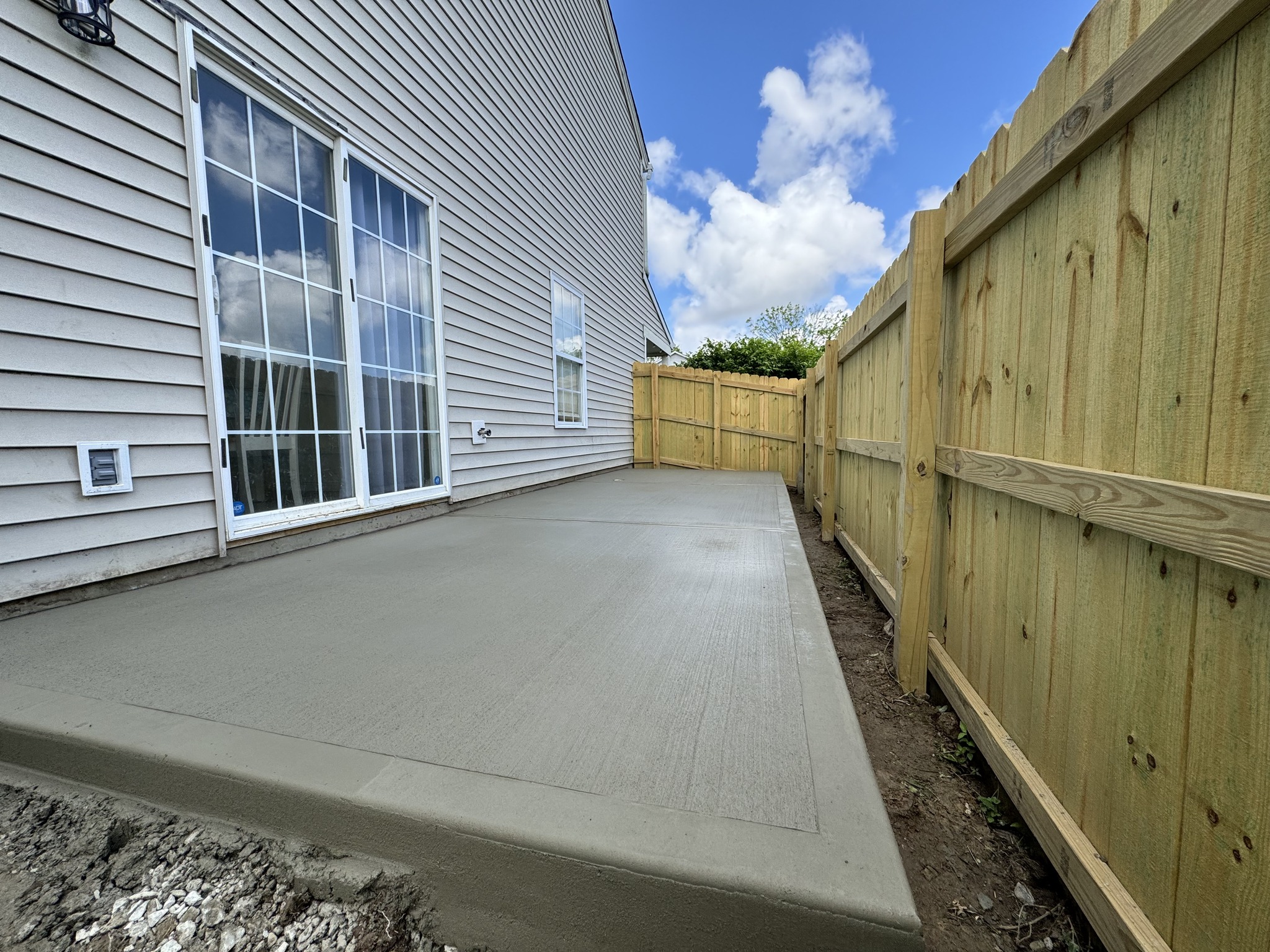
Building Resilience: Concrete Solutions for Climate-Adaptive Architecture Jun 13, 2026
Resilience in architecture refers to the capacity of buildings to endure and adapt to environmental challenges, such as hurricanes, floods, and temperature extremes. Concrete, with its outstanding durability and adaptability, stands as an ideal choice for creating structures that not only withstand but thrive in such climates. Concrete's intrinsic strength and longevity make it an invaluable resource in constructing buildings that can endure the pressures of nature, minimizing the need for frequent repairs and replacements.
When it comes to enhancing resilience, one of concrete's significant strengths is its thermal mass. Thermal mass allows concrete to absorb and store heat during the day and release it slowly when temperatures cool. This property enhances energy efficiency, reducing the need for artificial heating and cooling systems—a key factor in minimizing a building's carbon footprint. H&R Concrete specializes in providing high-performance concrete mixes that optimize thermal mass while maintaining structural integrity.
Furthermore, permeability and drainage are critical components in flood-prone areas. Innovative concrete solutions, such as pervious concrete, facilitate water drainage through their porous structure, thus significantly mitigating the risk of flooding. This specific type of concrete is becoming increasingly popular in urban planning, where stormwater management is crucial. By allowing water to permeate the ground naturally, pervious concrete reduces the burden on municipal drainage systems and prevents waterlogging.
Another aspect where concrete excels is in its resistance to natural disasters. Reinforced concrete structures can withstand the severe impacts of earthquakes and high winds. By employing precision-engineered concrete mixes, like those from H&R Concrete, builders can ensure that edifices remain stable even when pummeled by violent weather events. The company offers specialized reinforced concrete services that cater to these specific requirements, ensuring that structures are as strong as they are sustainable.
The incorporation of eco-friendly technologies within the concrete industry also plays a pivotal role in climate-adaptive architecture. Advances such as recycled aggregates and low-carbon concrete mixes are making strides toward reducing the environmental impact associated with concrete production. H&R Concrete is at the forefront of this movement, committed to providing sustainable and durable solutions that align with ecological goals without compromising on quality.
In conclusion, the path to climate-adaptive architecture is paved with strategic choices in materials and methods. Concrete solutions offered by H&R Concrete are vital in constructing resilient, sustainable buildings that can stand strong against the challenges posed by an ever-changing climate. From their energy-efficient thermal properties to their capacity to withstand natural disasters, concrete’s capabilities are both vast and invaluable. As we continue to prioritize sustainability, adopting advanced concrete technologies will be crucial in building a future that is both resilient and adaptive to the environmental realities we face.
/filters:no_upscale()/filters:format(webp)/media/203210ff-094f-42a2-9093-cbf56f3c2f93.webp)
/filters:no_upscale()/filters:format(webp)/media/c072d2dd-6e4a-4753-97df-7a6e43b11ff1.jpg)