Achieving Thermal Comfort: Concrete Solutions for Energy-Efficient Buildings Apr 22, 2026
Before diving into how concrete aids in energy efficiency, it's essential to understand what thermal comfort entails. Thermal comfort is the condition of mind that expresses satisfaction with the thermal environment. It relies on various factors such as air temperature, humidity, and air movement. For building occupants, achieving this comfort sustainably means having a space that uses less energy for heating and cooling while maintaining a desirable temperature.
Concrete's unique properties make it an excellent choice for energy-efficient construction. One of the most significant benefits of concrete is its thermal mass. Thermal mass refers to a material's ability to absorb and store heat. Concrete’s high thermal mass helps stabilize temperatures inside buildings by absorbing heat during the day and releasing it at night, thereby reducing the reliance on artificial heating and cooling systems. This natural regulation leads to substantial energy savings, creating a more sustainable building environment.
In addition to thermal mass, concrete also contributes to the insulation of buildings. When used in combination with insulated concrete forms (ICFs), concrete provides superior insulation. ICFs consist of concrete sandwiched between layers of insulating material, which significantly improves a building's ability to retain heat in the winter and keep cool in the summer. This leads to a significant reduction in energy consumption, further enhancing the building's efficiency.
Another noteworthy advantage of concrete is its durability. Concrete buildings require less maintenance over time compared to their wooden or metal counterparts, resulting in a long lifespan that translates into sustainability and reduced resource consumption over the years. This longevity means not only cost savings but also fewer materials needed for repairs or renovations, contributing to a building's overall sustainability.
Furthermore, concrete plays a role in mitigating urban heat islands. Urban heat islands are areas that experience higher temperatures than their rural surroundings. This occurs due to human activities and the prevalence of heat-absorbing materials like asphalt. By implementing reflective or cool concrete pavements and roofs, buildings can reduce surface temperatures and decrease the demand for air conditioning.
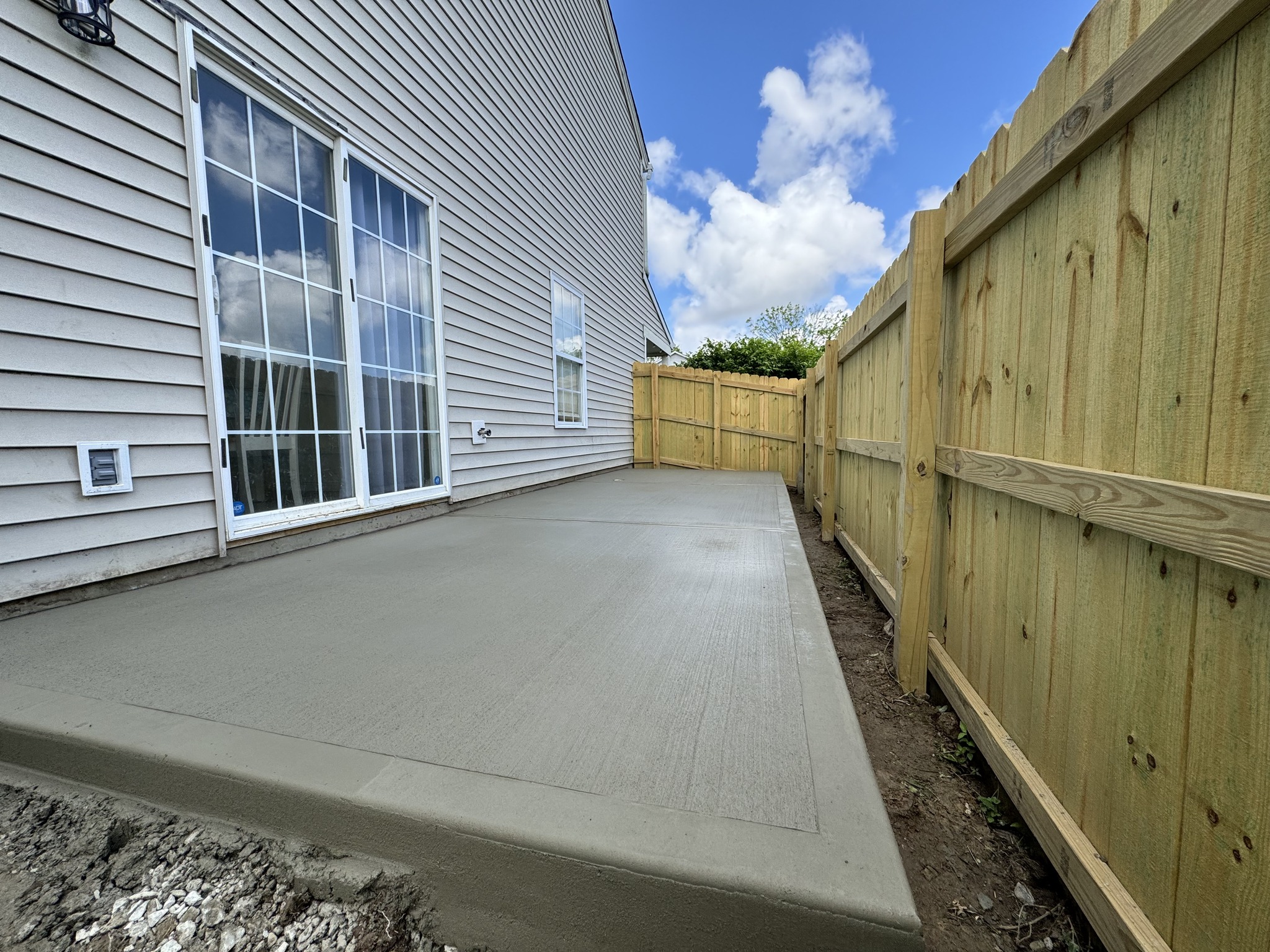
To maximize these benefits, when selecting concrete solutions for energy-efficient buildings, working with professionals like H&R Concrete ensures quality materials and proper application techniques. Expert installation guarantees that the concrete utilized meets the highest standards of efficiency and performance. By choosing H&R Concrete, customers gain access to insightful guidance on the best practices in leveraging concrete's full benefits for energy-efficient and thermally comfortable buildings.
In conclusion, concrete offers significant advantages for achieving thermal comfort and energy efficiency in buildings. Its thermal mass, insulating potential, durability, and ability to combat urban heat islands solidify its role as a prime choice in modern construction. By understanding and utilizing concrete's properties, builders and homeowners can ensure they create environmentally friendly structures that meet the demands of today’s energy-efficient standards.
/filters:no_upscale()/filters:format(webp)/media/203210ff-094f-42a2-9093-cbf56f3c2f93.webp)
/filters:no_upscale()/filters:format(webp)/media/c072d2dd-6e4a-4753-97df-7a6e43b11ff1.jpg)